
Quack Shot Starring Donald Duck story
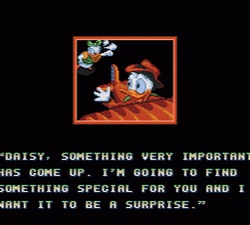
QuackShot Starring Donald Duck had one simple dream: pull Donald out of comfy cartoon sets and drop him into dust-caked expeditions, the kind that smell like treasure maps, ancient ruins, and a pinch of adventurer's madness. Early '90s, the 16-bit heatwave, Sega Mega Drive/Genesis, those buttery-smooth Disney animations — out of that mix came a game many of us remember as the ideal arcade adventure about a brave (and a tad hot-headed) duck in an archaeologist's hat.
How they dreamed up a duck-sized treasure hunter
After the success of Castle of Illusion, it was clear: Disney and Sega could make platformers with personality. Giving Donald the lead made perfect sense — not just as comic relief, but as a hero with his own tempo. The team picked a tone of Indiana Jones, duck-style: hat, satchel, world map, and a constant urge to dash forward, even with quicksand underfoot and pyramids, jungles, Transylvania, and icy wastes ahead. Crucially, it's not a parody but an affectionate nod — adventure comes first, and the jokes simply light the way.
QuackShot was pitched as a cartoon-on-a-cartridge for the Sega Genesis: a story you can read at a glance, with few lines of dialogue and instant clarity anywhere in the world. Donald finds a treasure map, and Pete's goons give chase. Up top sits a world map, with flights, bite-size cutscenes of the nephews piloting, and visits to Gyro Gearloose for handy gadgets. And that signature plunger gun — practically the emblem of a game where your tool isn't about wrecking things, but about smarts and improvisation. It's that rare moment when a Disney platformer turns into a pocket-sized expedition with its own rhythm and cozy drama.
Why we loved it
QuackShot wasn't just a pretty face. The travel vibe hooked you: you start in sleepy Duckburg and, a couple of stages later, you catch yourself believing in an X-marked map, a myth about a lost duck civilization's treasure, and the eternal rivalry with Pete. The music — that quintessential 16-bit soundtrack — never tries to be an orchestra, yet it nails character; Donald and his foes move to those tunes like they rehearsed on a Disney lot. And yes, for many of us it was a first taste of the world map — levels that don't give up every secret on your first run, nudging you to come back and find something new.
Back then it felt family-friendly yet fair. No finger-breaking jumps, but tons of small discoveries. The nephews' plane takes off and it genuinely feels like a vacation — only instead of a suitcase you're packing plungers and bubble gum. For the Mega Drive it was a rare blend: not just a Disney platformer, but an adventure where gameplay and story walk hand in hand.
How it reached us
In the West it went by QuackShot Starring Donald Duck, but around our neighborhoods — on bootleg cartridges, sticker labels, and in market chatter — it had all sorts of names: someone asked for "KvakShot," someone for "that Quack Shot with Donald," and sometimes the plastic case simply read "Donald Duck," no subtitle needed. But the second you hit power, there was no doubt: the world map, the plane, and Pete always breathing down your neck.
Those very carts carried QuackShot through our towns. We scribbled passwords in notebooks, on the back of receipts, even on gum wrappers — memories that still stick. For many, it was their first Mega Drive classic, the gateway to Sega's adventurous side. We swapped secrets, argued over the best route, and bragged about who could outsmart the Egyptian traps fastest. In a way, the game taught us pocket-sized geography, just dressed in cartoon set pieces.
QuackShot also slotted neatly into the wider Disney 16-bit hit parade. World of Illusion and other bright standouts were right there — each chasing a different emotion. Donald's was the taste of the open road: takeoff, landing, new country, fresh background art, a new theme in the soundtrack. And deep down, that warm certainty that adventure isn't only about danger; it's about curiosity, cleverness, and that perfect moment when your plunger latches onto a far wall and you smile before you leap.
Over the years, QuackShot only fused more tightly with nostalgia. Today it's remembered as a classic platformer with rounded edges, where everything has a purpose: the map to guide, the tools to delight, the levels to pull you back for one more run. Bring up the golden age of the Sega Genesis and the name surfaces on its own — among friends for whom QuackShot is no longer just a game, but a shared slice of history, preserved in memory like those passwords we once scrawled on scraps of paper.